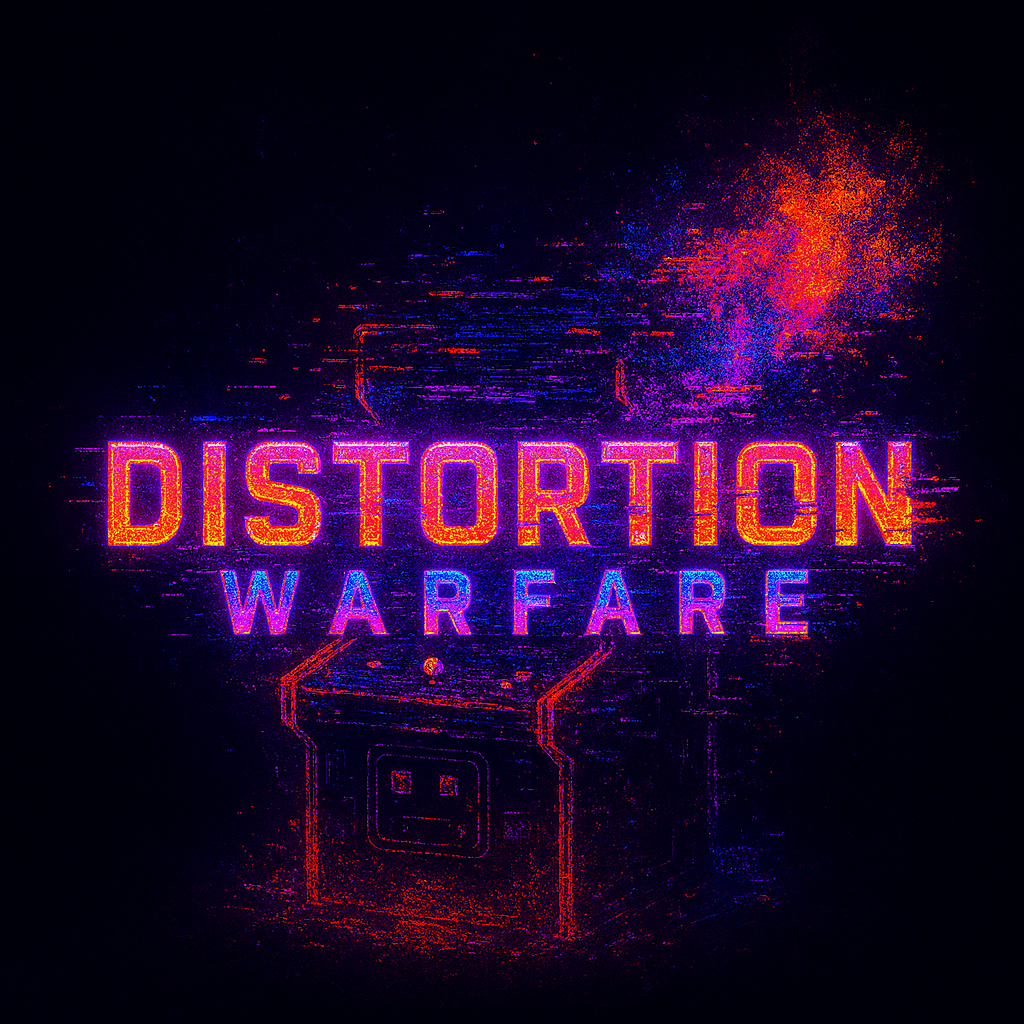
distortion Warfare
overview
Distortion Warfare is a fast‑paced 2D rogue‑lite where neon‑drenched arenas, glitch‑infused enemies, and modular weapon systems collide in a world that constantly shifts beneath your feet. Every run is a high‑intensity dance of precision movement, reactive combat, and split‑second decision‑making as you carve your path through procedurally generated rooms that distort, mutate, and escalate with each encounter.
Built around a modular, inspector‑driven architecture, the game empowers rapid iteration and expressive player builds. Weapons, abilities, hazards, and room modifiers snap together like circuitry, letting chaos emerge from clean, intentional design. The visual identity leans into glowing pixel art, sharp silhouettes, and a pulsing neon aesthetic that turns every fight into a stylized lightshow.
At its core, Distortion Warfare is about momentum, chaining kills, mastering patterns, and bending the game’s systems to survive just one room deeper. It’s a rogue‑lite that rewards skill, experimentation, and adaptability, wrapped in a world where every pixel hums with energy.
Year
2026
Genre
Neon-Soaked / Rogue Lite / Twin Stick Shooter
Platform
PC
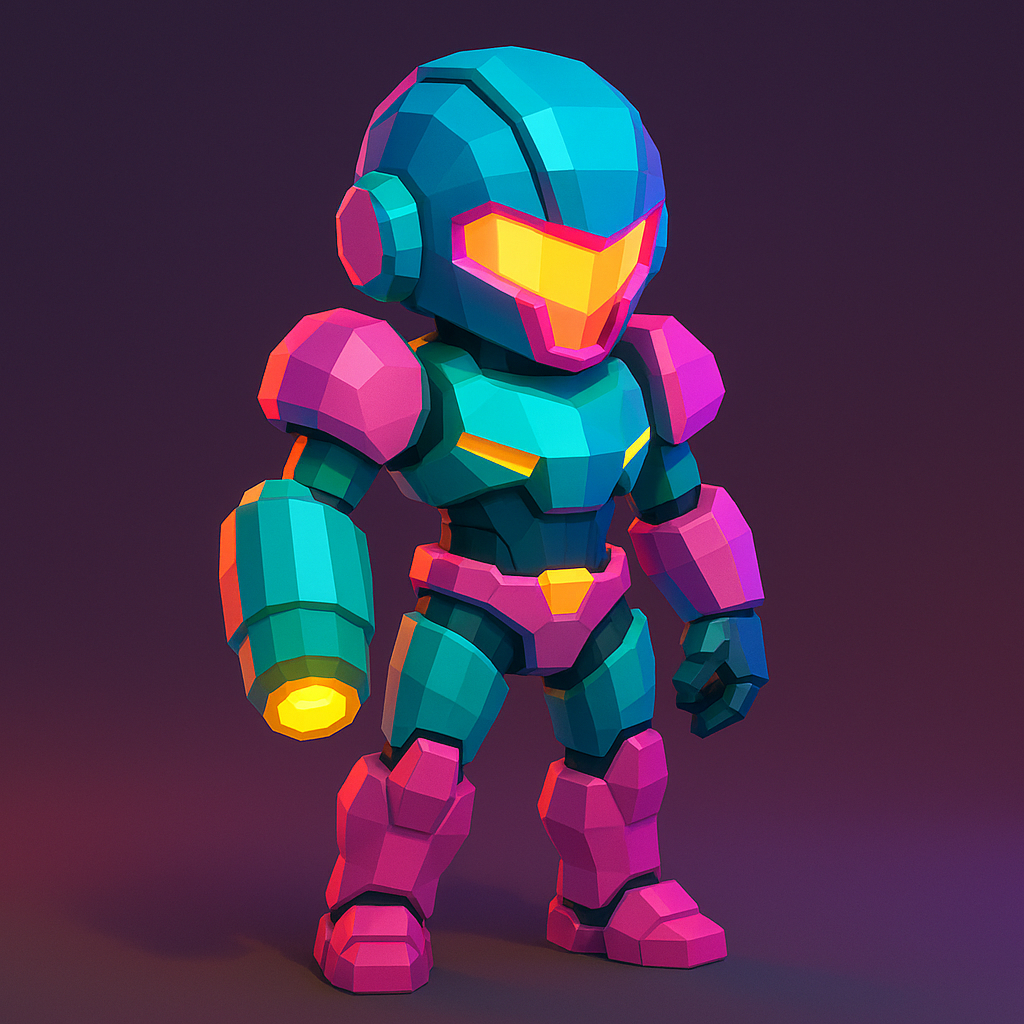
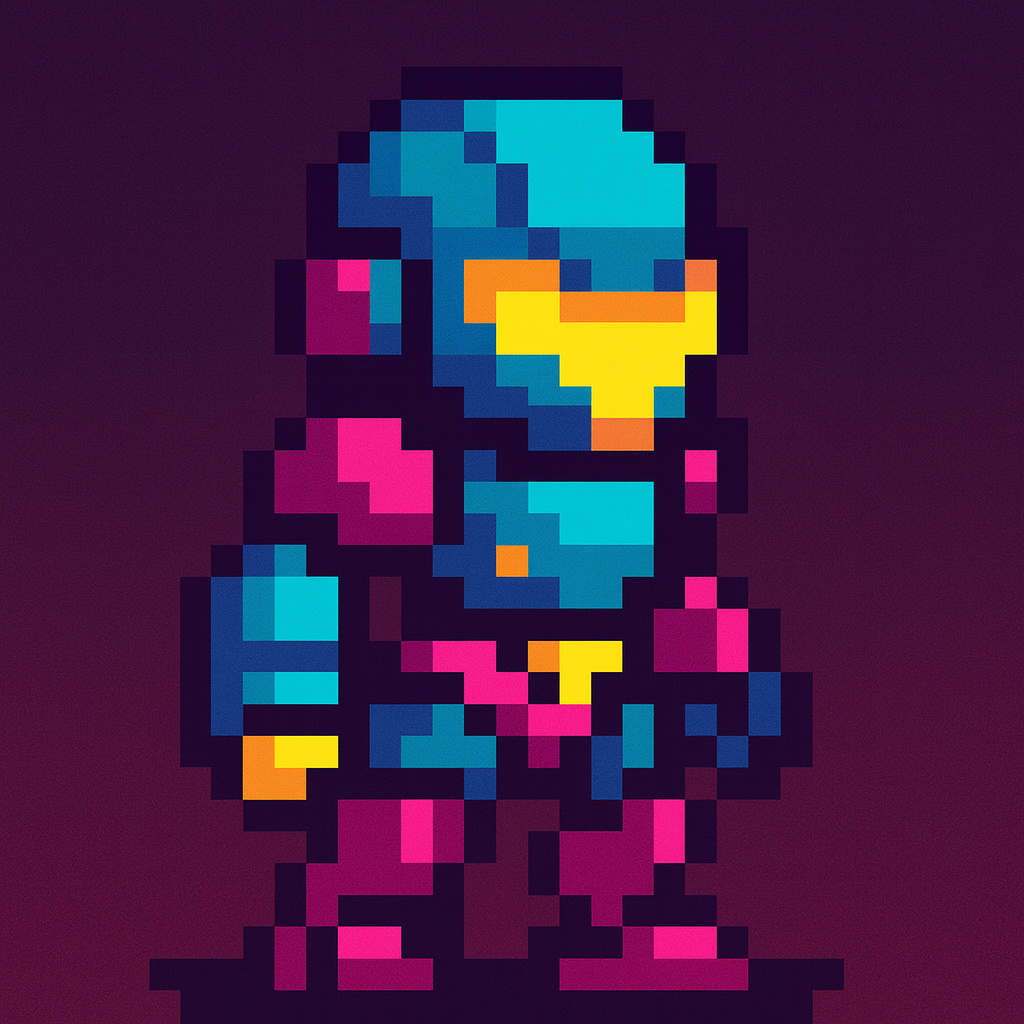
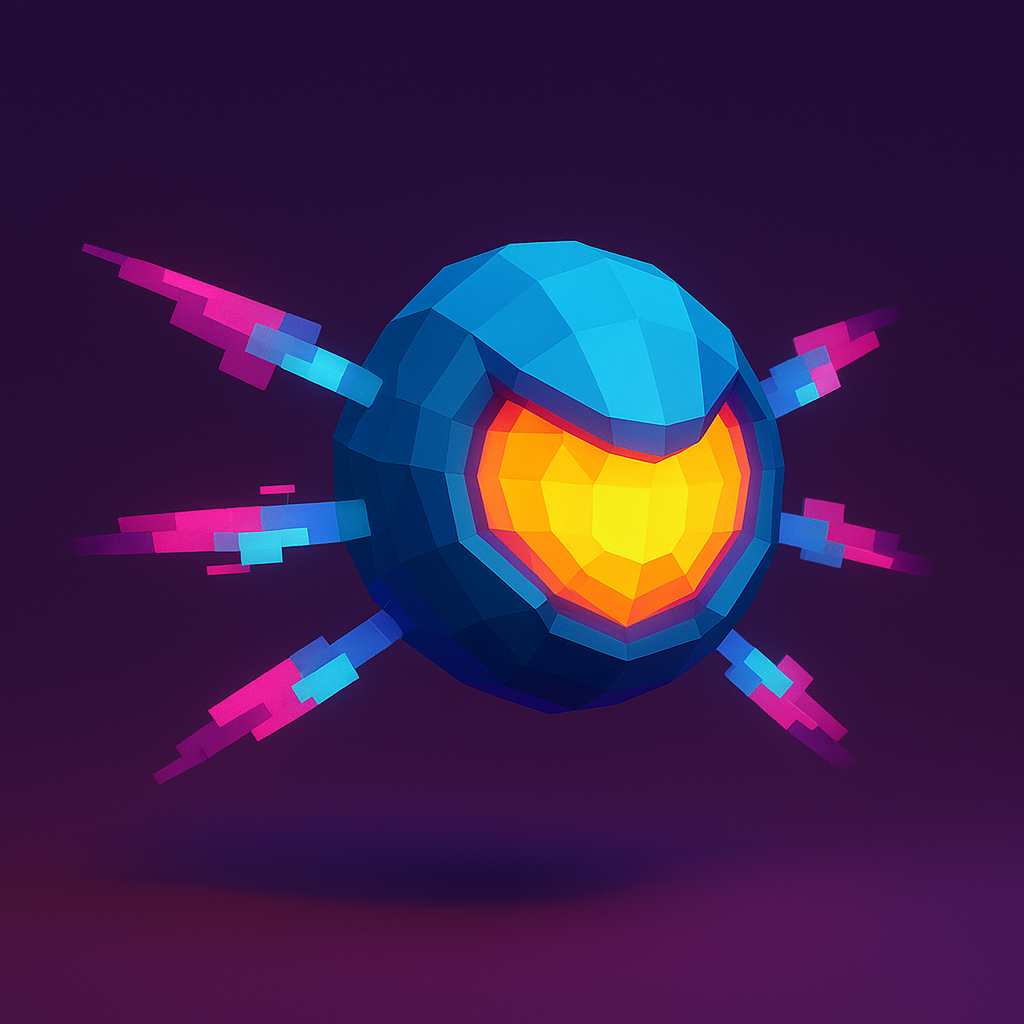
concept art

				using System.Linq;
using UnityEngine;

public class DiceRoller : MonoBehaviour
{
    public void RollDice(Vector3 force, Vector3 torque)
    {
        Rigidbody rb = GetComponent<Rigidbody>();
        rb.linearVelocity = Vector3.zero;
        rb.angularVelocity = Vector3.zero;
        rb.AddForce(force, ForceMode.Impulse);
        rb.AddTorque(torque, ForceMode.Impulse);
    }

    public int GetTopFace()
    {
        DiceFace[] faces = GetComponentsInChildren<DiceFace>();
        DiceFace top = faces.OrderByDescending(f => Vector3.Dot(f.transform.up, Vector3.up)).First();
        return top.GetFace();
    }

    public bool IsDiceSettled()
    {
        Rigidbody rb = GetComponent<Rigidbody>();
        return rb.linearVelocity.sqrMagnitude < 0.01f && rb.angularVelocity.sqrMagnitude < 0.01f;
    }
}
				using System.Collections;
using System.Collections.Generic;
using System.Linq;
using TMPro;
using UnityEngine;
using UnityEngine.UI;

public class DiceManager : MonoBehaviour
{
    [Header("Possible dice prefabs")]
    [SerializeField] private GameObject[] dicePrefabs;                  // All possible dice

    [Header("Spawn Settings")]
    [SerializeField] private Transform spawnPoint;

    // Private
    private List<DiceRoller> activeDice = new();                        // Currently active dice

    private bool canRoll = true;

    private void Update()
    {
        if (Input.GetKeyDown(KeyCode.Space))
        {
            RollAll();
        }
    }

    public IEnumerator SpawnDice(Vector3 spawnDirection)
    {
        yield return new WaitForSeconds(1f);

        int sides = UIManager.Instance.GetCurrentSelectedDice();
        int amount = UIManager.Instance.GetCurrentSliderValue();

        if (spawnPoint == null)
        {
            Debug.LogError("Spawn point is not set!");
            yield break;
        }

        Debug.Log($"Spawning {amount} D{sides} dice...");

        for (int i = 0; i < amount; i++)
        {
            var prefab = dicePrefabs.FirstOrDefault(d => d.name.Contains($"D{sides}"));
            if (prefab == null) yield break;

            GameObject newDice = Instantiate(prefab, spawnPoint.position, Random.rotation);
            DiceRoller roller = newDice.GetComponent<DiceRoller>();

            // Apply directional force based on spawnPoint's forward direction
            Vector3 randomForce = spawnDirection * Random.Range(6f, 20f);
            Vector3 randomTorque = Random.onUnitSphere * Random.Range(3f, 6f);

            roller.RollDice(randomForce, randomTorque);
            activeDice.Add(roller);

            yield return new WaitForSeconds(0.2f); // Wait before spawning next dice
        }

        yield return new WaitForSeconds(1.5f);

        FeedbackManager.Instance.CloseGateFeedback().PlayFeedbacks();
    }

    public void RollAll()
    {
        if (!canRoll) return; // Prevent rolling if already in progress

        canRoll = false; // Disable rolling until dice settle
        UIManager.Instance.ClearBoard();

        Vector3 spawnDirection = spawnPoint.forward; // Dice roll forward from spawnPoint

        FeedbackManager.Instance.OpenGateFeedback().PlayFeedbacks();

        StartCoroutine(SpawnDice(spawnDirection)); // Start dice spawning with delay

        StartCoroutine(WaitForDiceToSettle()); // Start waiting for dice to stop

    }
    private IEnumerator WaitForDiceToSettle()
    {
        yield return new WaitForSeconds(3f); // Give dice time to roll

        while (activeDice.Any(d => !d.IsDiceSettled())) // Keep checking until all dice settle
        {
            yield return new WaitForSeconds(0.5f); // Check every 0.5 seconds
        }

        DisplayResults(); // Once all dice are settled, show results
    }

    public void ClearDice()
    {
        foreach (var die in activeDice)
        {
            Destroy(die.gameObject);
        }

        activeDice.Clear();
    }

    public List<(int result, string diceName)> ReadAllResults()
    {
        var results = activeDice.Select(d => (d.GetTopFace(), d.gameObject.name)).ToList();
        return results;
    }
    public void DisplayResults()
    {
        var results = ReadAllResults();
        UIManager.Instance.ShowDiceResults(results);
        canRoll = true;
    }

    Vector3 RandomSpawnPoint() => new Vector3(Random.Range(-2, 2), 2f, Random.Range(-2, 2));
    public bool GetCanRoll() => canRoll;
}